
What Is Color Analysis (And Why It Changes Everything)
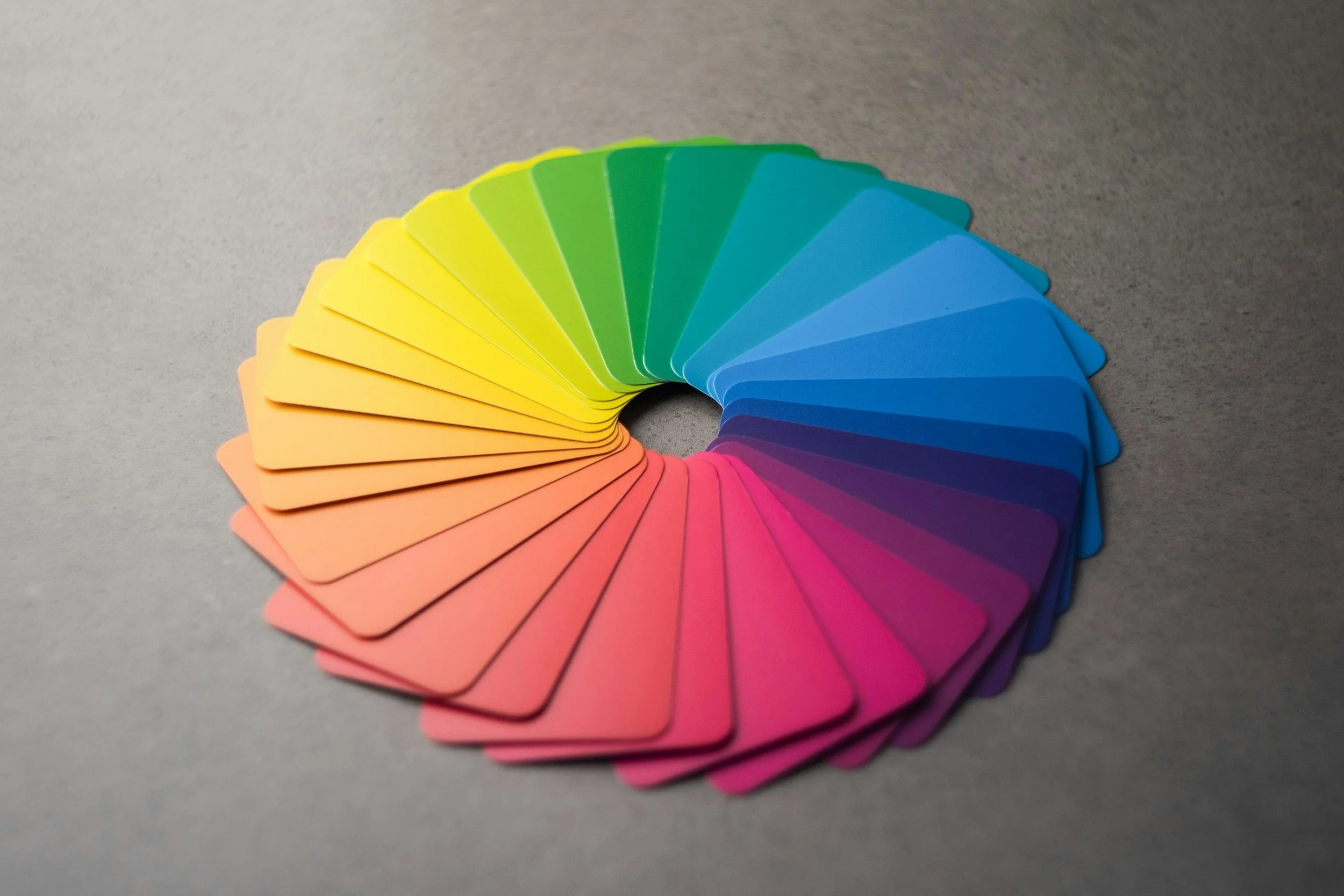
There’s a very specific feeling I think we’ve all had.
You put something on, maybe it’s trendy, maybe you saw it on Pinterest, maybe someone else looked incredible in it, and you look in the mirror and just… pause.
Nothing is technically wrong.
But something feels off.
And then, on a different day, you throw on a random top you’ve had forever, and suddenly you look glowy. Awake. Like your skin is clearer, your eyes are brighter, and you somehow have your life together.
That difference?
That’s color.
So what actually is color analysis?
Color analysis is the process of figuring out which colors naturally harmonize with your features, your skin, your hair, and your eyes.
Not in a restrictive way.
Not in a “you can never wear this again” way.
It’s more like a guide.
A way of understanding:
what makes you look the most like yourself, but elevated.
Because the truth is, color doesn’t sit separately from you.
It reflects on your skin. It interacts with your undertones. It either enhances you… or competes with you.
Why it matters more than you think
I feel like people assume color analysis is just about clothes, but it genuinely changes how you see yourself.
The right colors can:
make your skin look clearer and more even
bring out your eyes in a way that feels subtle but noticeable
reduce shadows or dullness in your face
make you look more awake without doing anything else
And the wrong colors?
They can make you look tired. Flat. Slightly gray.
Like something is just… missing.
It’s kind of like lighting in a film.
Same person. Same face. Completely different energy.
The idea of “seasons”
Most color analysis systems group people into four seasons, inspired by the feeling of nature.
Not in a cheesy way—more like a visual language.
Spring
Light, warm, fresh
Think soft sunlight, peach tones, light greens, golden warmth
Everything feels clear and bright in a gentle way
Summer
Soft, cool, muted
Dusty rose, lavender, cool blues
Like everything has a slight blur over it in the prettiest way
Autumn
Warm, deep, earthy
Rust, olive, chocolate brown, mustard
Very rich, very grounded, very golden hour
Winter
Cool, high contrast, bold
Black, white, jewel tones, bright red
Crisp, striking, almost dramatic
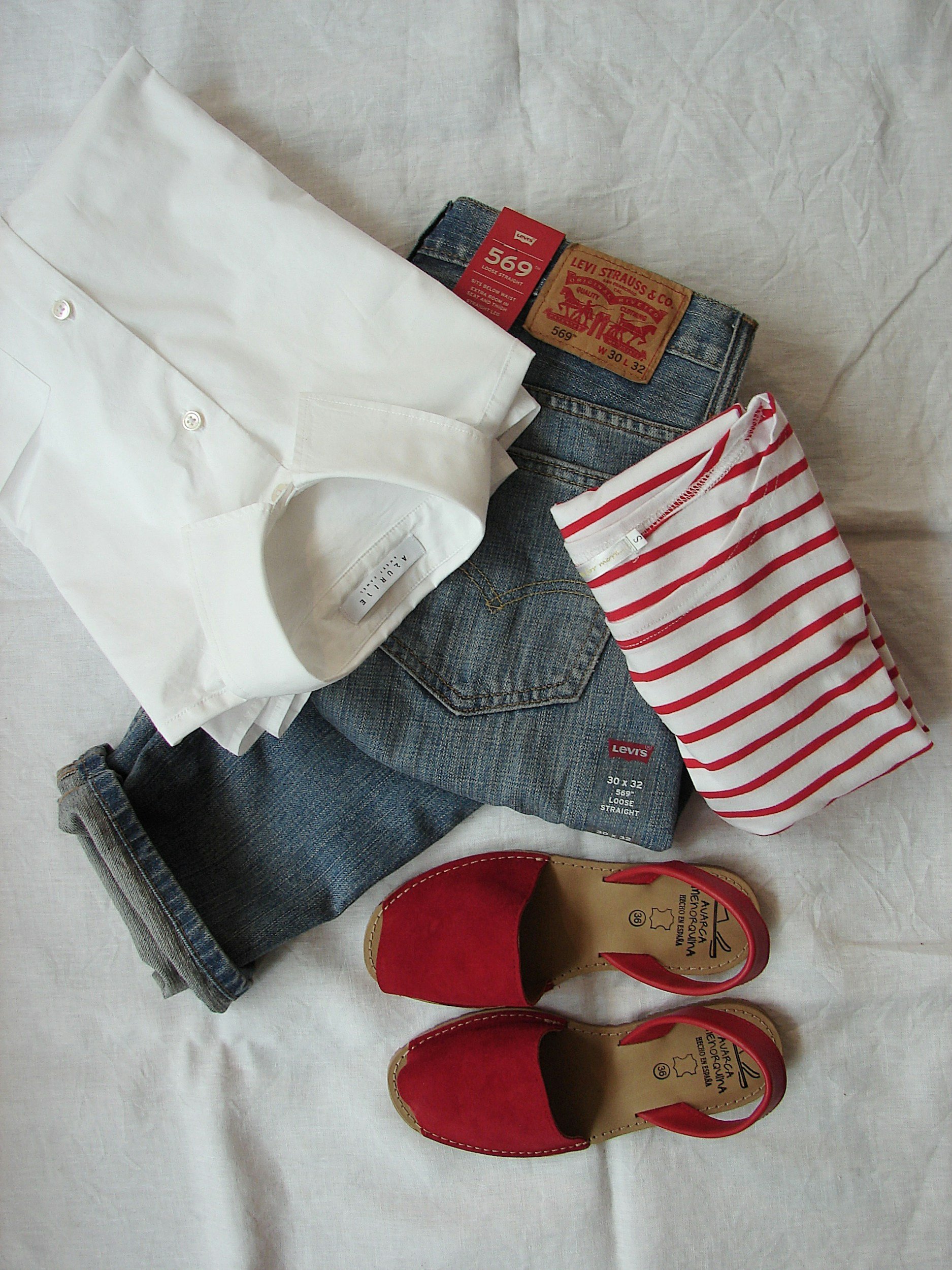
But it’s actually more specific than that
The seasons are just the starting point.
What really matters are three things:
Undertone
Are your natural tones warm (golden, peachy) or cool (pink, blue)?
Value
Are your features lighter or deeper overall?
Chroma
Do you suit softer, muted colors, or bright, clear ones?
This is how you get more specific categories like:
Soft Autumn
Deep Winter
Warm Spring
Cool Summer
And this is where it starts to feel less like a trend and more like something personal.
The biggest misconception
That color analysis is limiting.
It’s not.
You can still wear anything you want.
Nothing is “forbidden.”
It just gives you awareness.
Instead of thinking:
why does this look weird on me?
You start thinking:
oh, this just isn’t in harmony with my coloring.
And that shift is honestly so freeing.
What it changes (in a very real way)
Once you start understanding your colors, everything becomes easier.
Getting dressed feels less overwhelming.
Shopping becomes more intentional.
Your closet starts to actually work together.
You stop buying things that look good on the hanger but never feel right on you.
And over time, you start to build a wardrobe that feels cohesive, natural, and very you.
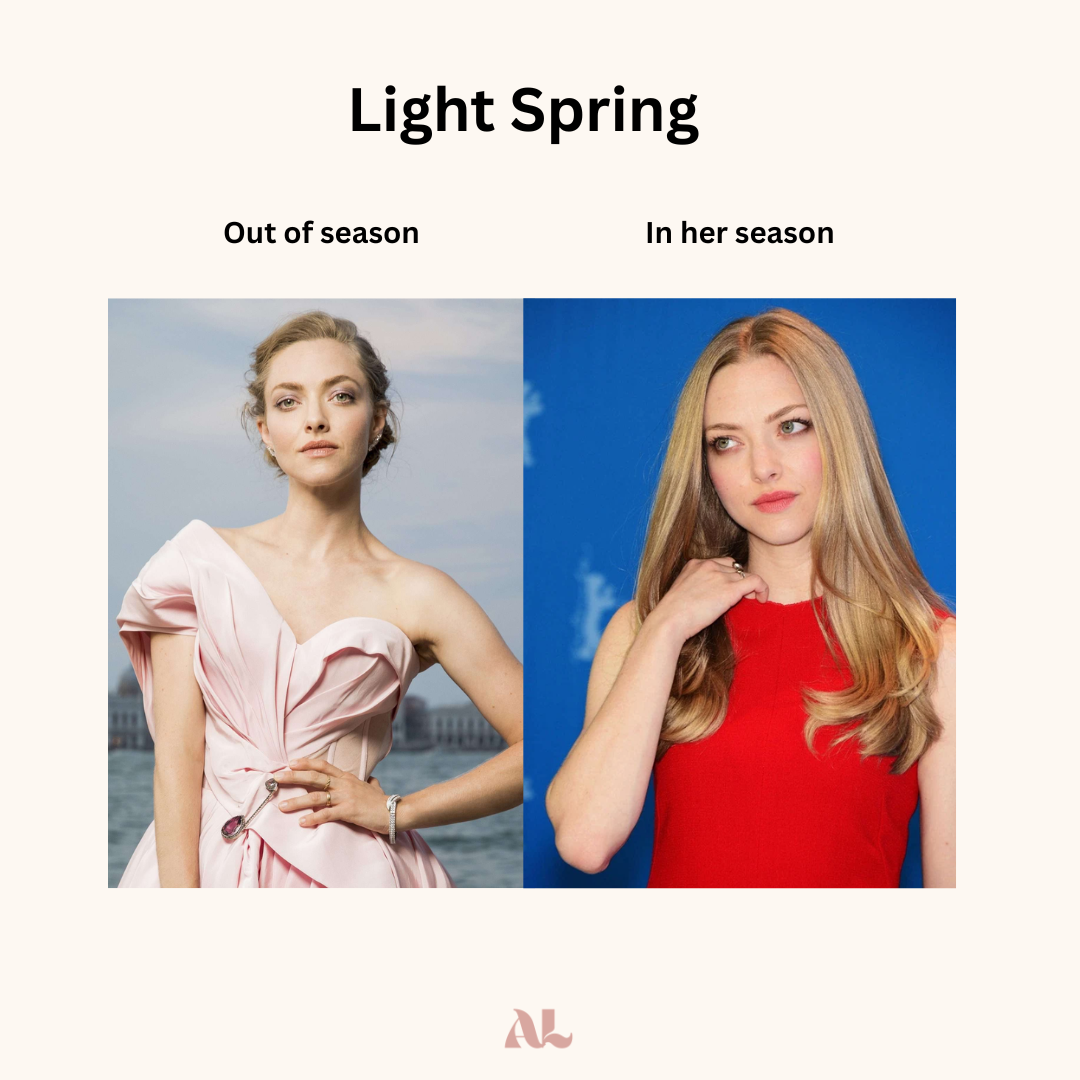
How to start figuring out your colors
You don’t need anything complicated to begin.
Start here:
Look at your face in natural light (this matters more than you think)
Hold different colors up to your skin
Notice what makes your skin look clearer vs duller
Pay attention to what you get compliments in
Your body usually already knows.
You’re just learning how to see it.
Why I love it (personally)
For me, color analysis isn’t about rules.
It’s about understanding.
It’s about:
feeling more confident in what I wear
not wasting money on things that don’t work
seeing my own features more clearly
creating a sense of identity through color
It also feels creative to me.
Like building a palette for your life.
And once you see it, you can’t unsee it.
Final thoughts
Color analysis isn’t about changing yourself.
It’s about recognizing what’s already there,
and letting it show up in the best possible way.
It’s you, just clearer.
Softer. Brighter. More intentional.
Like putting yourself in the right lighting for the first time.
